Exclusive £50 Cashback Voucher
Help your friends find a student home they truly love! Refer & earn £50 on each successful booking!



Student Accommodation
If you are looking for student accommodation in Munich, you need to check this page. There are shared apartments, fancy studios, and double-bedrooms w...Read More
If you are looking for student accommodation in Munich, you need to ch...Read More
Properties
From / Month
Universities
Support

All Properties Verified
No hidden fees
Free 24/7 booking support
Flexible Payment Options
£50 Exclusive Voucher Included

Student Accommodation (1)
Private Let (34)
Young or Working Professional Housing (737)
Homestays (1)


Map View

 Filters

Map

Our student housing experts know munich inside out. Get free, personalised advice — no pressure.
Map View


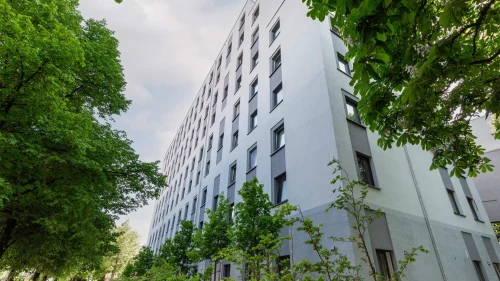


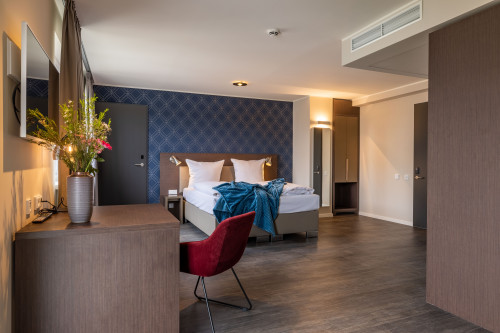
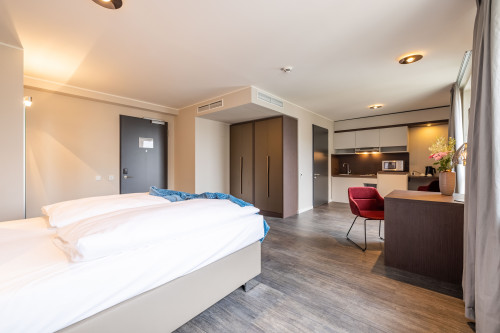
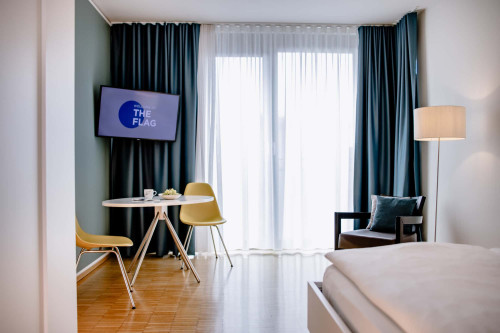
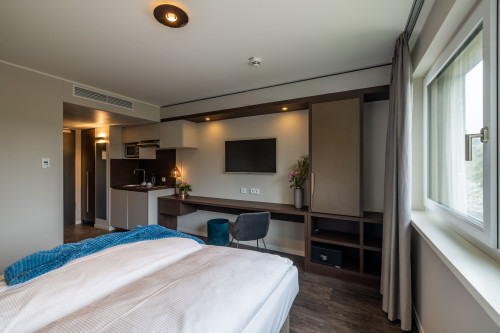
Hanebergstraße 2, 80637 München, Germany

34 mins by public transport to Central Munich
€1,969
/month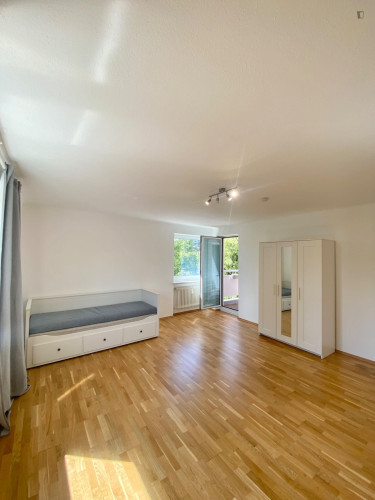
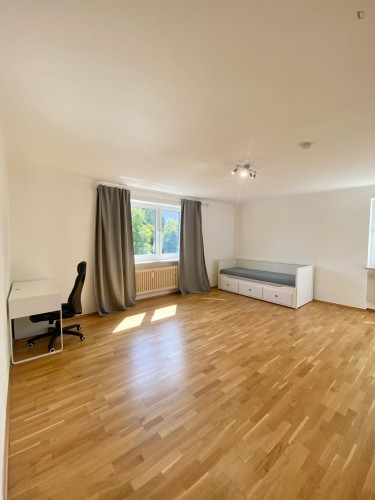
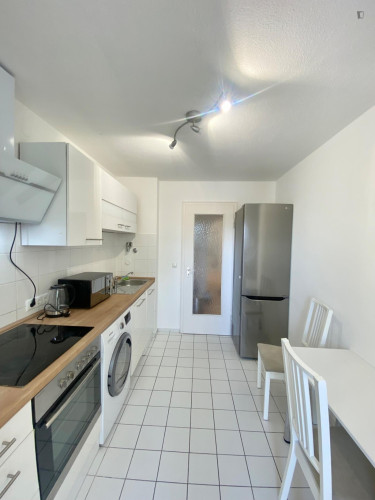
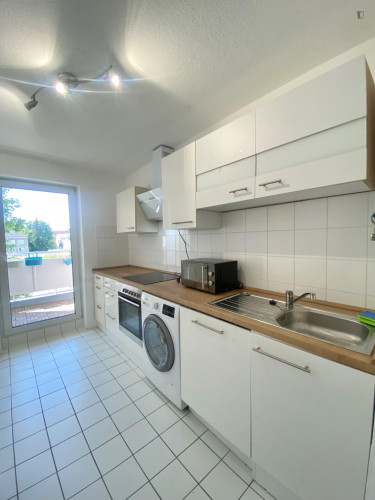
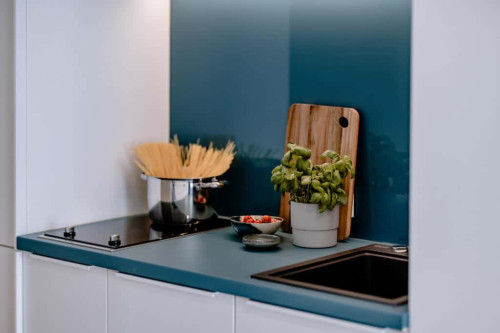
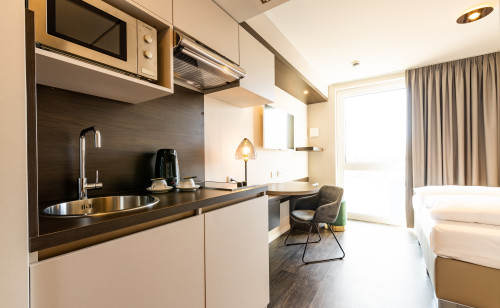
Pfitznerstraße
2 hours 45 mins by public transport to Central Munich
€1,075
/month...
Munich, the capital of Bavaria, is a leading global hub for technology, innovation, and higher education. Located in the south of Germany near the Alps, the city offers a high standard of living and a safe environment for its population of over 130,000 students. The geography is defined by the Isar River and vast green spaces, providing a balanced atmosphere for academic focus and recreation. Munich is known for its "Laptop and Lederhosen" style, blending traditional Bavarian culture with a fast-paced, modern economy.
The city is home to several elite universities, attracting a diverse international community. Students benefit from strong industry links with major companies in the automotive and tech sectors. Finding student accommodation in Munich is a critical task due to the high demand, so starting the search early is essential. Casita helps students navigate the local housing market efficiently and find the place they need. The city’s efficient public transport and central European location also make it an ideal base for students looking to explore Germany and neighbouring countries.
The Technical University of Munich (TUM) is one of Germany’s leading universities and is ranked 25th worldwide and 1st in Germany in the QS World University Rankings 2027. It has more than 50,000 students, with international students making up around 40% of its community. TUM is internationally recognised for its strengths in Engineering, Computer Science, Natural Sciences, and innovation-driven research.
Ludwig-Maximilians-Universität München (LMU Munich) is one of Europe’s oldest and most prestigious universities. It ranked 61st worldwide and 2nd in Germany in the QS World University Rankings 2027. The university has over 50,000 students, including a diverse international student community. LMU is particularly known for its programmes and research in Humanities, Law, Medicine, Life Sciences, and Physical Sciences.
Munich University of Applied Sciences (HM) is one of Germany’s largest universities of applied sciences, with around 18,000 students. It focuses on practical, career-oriented education across areas such as Business, Engineering, Design, Social Sciences, and Technology. The university works closely with industry partners, giving students opportunities to gain practical experience alongside academic study.
Munich offers various housing options, including private studios, shared flats, and student halls. Prices vary significantly depending on the proximity to the city centre and university campuses.
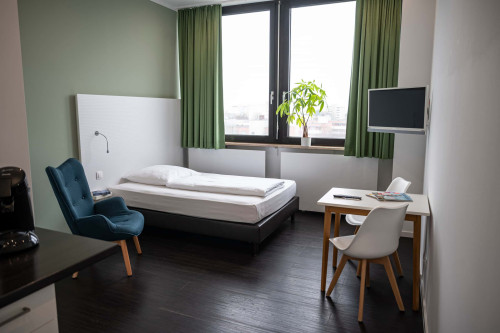
Kallenbergstraße
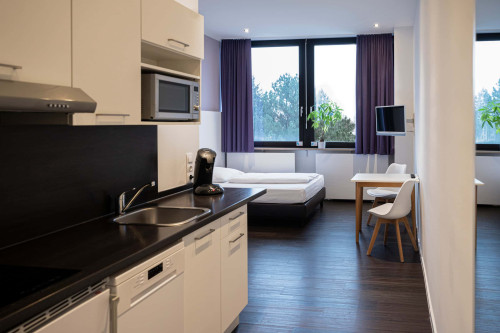
Von-Taube-Weg
Zimmer in der Gerhardstraße
Munich features several distinct neighbourhoods that cater to student needs, ranging from academic hubs to quiet residential zones.
Maxvorstadt: This is the city’s academic heart, located directly between LMU and TUM. It is known for its museums and student-centric cafes, featuring attractions like the Alte Pinakothek and the Bayerische Staatsbibliothek.
Schwabing: Located north of the centre, this area is popular for its bohemian history and proximity to the English Garden. It is well-connected to LMU campuses and offers a high density of bookstores and parks.
Haidhausen: Known as the "French Quarter," this area is located on the right bank of the Isar. It is home to the Gasteig cultural centre and offers a quieter, residential atmosphere close to the Munich University of Applied Sciences.
The average cost of living in Munich is higher than the German national average. These are the average monthly costs that a student will require throughout their stay, according to Numbeo.
Item | Monthly Cost (€) |
Student Room in Private Residence | €500 - €1,000 |
Shared Student Accommodation | €400 - €800 |
1 Bedroom Apartment in City Centre | €1,200 - €1,800 |
1 Bedroom Apartment Outside City Centre | €900 - €1,400 |
Item | Monthly Cost (€) |
Fresh White 500 g Loaf of Bread | €1 - €3 |
1 kg Tomatoes | €2 - €5 |
1 kg Onions | €1 - €3 |
1 L Milk | €1 - €2 |
1 kg White Rice | €2 - €4 |
12 Eggs | €3 - €6 |
1 kg Local Cheese | €10 - €20 |
1 kg Chicken Fillets | €8 - €15 |
1 kg Oranges | €2 - €4 |
1 kg Apples | €2 - €4 |
Item | Monthly Cost (€) |
Basic Utilities for an 85 m² Apartment | €200 - €350 |
Mobile Phone Plan | €10 - €30 |
Item | Cost (€) |
One-Way Ticket | 4.10 € |
Bayerisches Ermäßigungsticket (Student Pass) | 43.00 € /month |
The Munich Transport and Tariff Association (MVV) operates a highly efficient and integrated network of trains, buses, and trams.
Metro (U-Bahn): The U-Bahn is the primary way to navigate the inner city, with eight lines serving 96 stations. It is fast, reliable, and runs frequently until late at night.
Bus: Buses cover the areas not reached by the U-Bahn or S-Bahn, including many university satellite campuses. They are essential for cross-town travel and offer night services (Nachtbus).
Trains (S-Bahn): The S-Bahn connects the city centre to the outskirts and the airport. It is the best option for students living further out in more affordable districts.
Walking: Munich is a very pedestrian-friendly city, especially in the Old Town and Maxvorstadt. Many university buildings are within walking distance of each other.
Deutsches Museum: The world’s largest museum of science and technology, offering interactive exhibits on everything from aviation to nanotechnology.
Englischer Garten: One of the world’s largest urban parks, featuring the Eisbach wave for surfing and miles of tracks for cycling or jogging.
Marienplatz: The city’s central square, home to the New Town Hall (Neues Rathaus) and the famous Glockenspiel performance.
Alte Pinakothek: One of the oldest art galleries in the world, housing a massive collection of Old Master paintings from the 14th to 18th centuries.
Munich Residenz: The former royal palace of the Bavarian monarchs, showcasing architecture, decorative arts, and royal treasures.
Bayerische Staatsbibliothek: A premier research library providing extensive quiet study spaces and one of the most important historical collections in Europe.
Is Munich a good place to live for students?
Munich is excellent for students due to its world-class universities, high safety levels, and vast economic opportunities. It offers a high quality of life with plenty of green spaces and cultural activities.
How do I book my apartments for rent in Munich with Casita?
You can browse available listings on the Casita website and use the free support service to handle the booking process. Our experts help you select the best option and manage the necessary paperwork.
What is the cost of student accommodation in Munich?
Prices vary by location and type, but private rooms in shared flats usually start at around €700. Central studios or high-end student residences can cost significantly more.
What are the popular neighbourhoods for student accommodation in Munich?
Maxvorstadt is the most popular due to its proximity to universities. Schwabing and Haidhausen are also highly sought after for their vibrant atmospheres and transport links.
Are utilities included in the rent for student accommodation in Munich?
In most properties, utilities like heating and water are usually included. However, in some properties, like shared living, you must pay for utilities separately.

See More Questions (5)