Exclusive £50 Cashback Voucher
Help your friends find a student home they truly love! Refer & earn £50 on each successful booking!



Student Accommodation
From vibrant student halls to private studios — discover verified, affordable rooms near your university.
Properties
From / Month
Universities
Support

All Properties Verified
No hidden fees
Free 24/7 booking support
Flexible Payment Options
£50 Exclusive Voucher Included

Private Let (4)


Map View

 Filters

Map

Our student housing experts know vila-real inside out. Get free, personalised advice — no pressure.
Map View


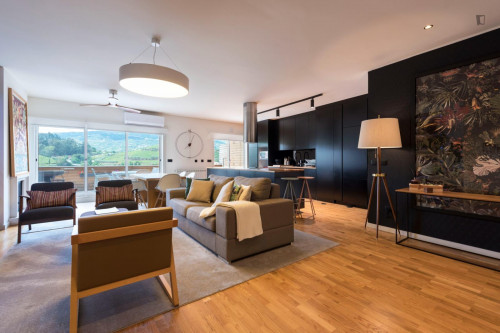
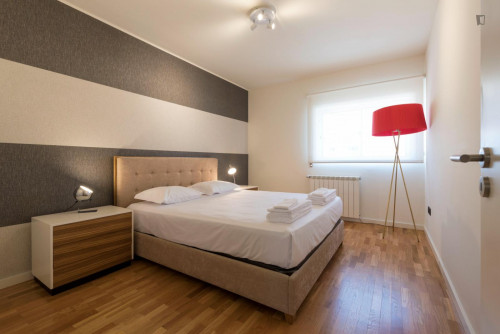
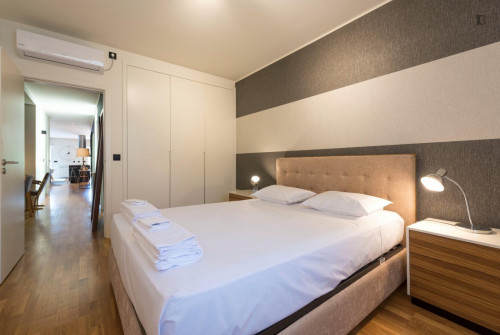

Avenida Galiza

3 hours 30 mins by public transport to Central Vila Real
€1,700
/month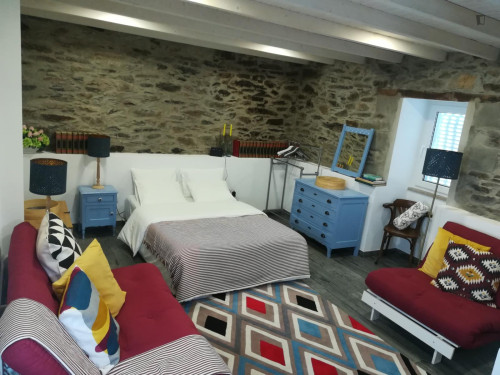
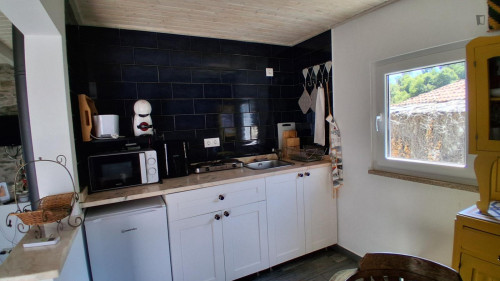
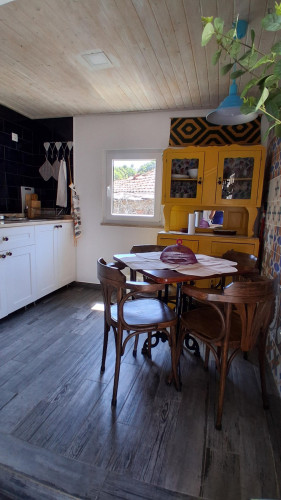
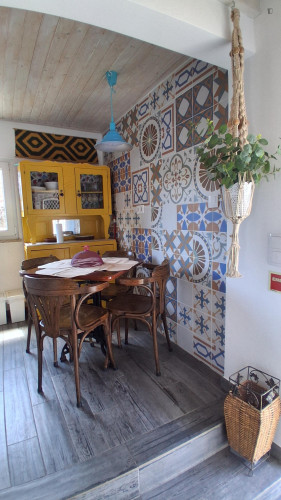
Rua da Estrada Nacional
16 mins by car to Central Vila Real
€400
/month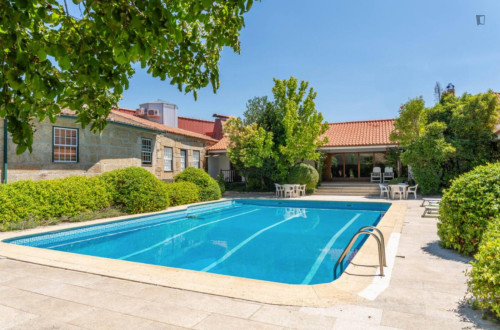
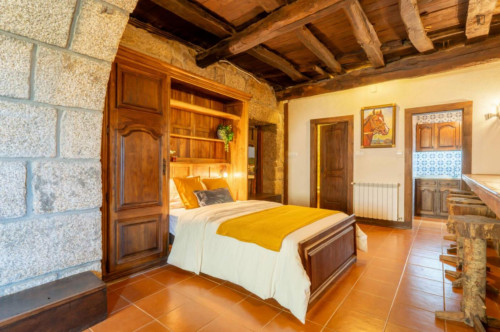
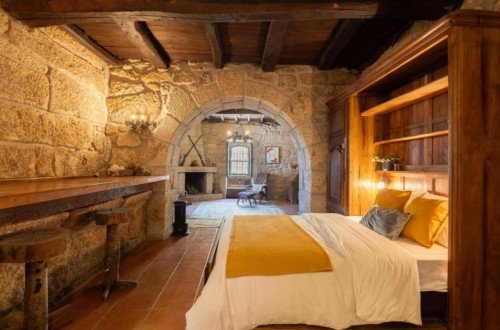
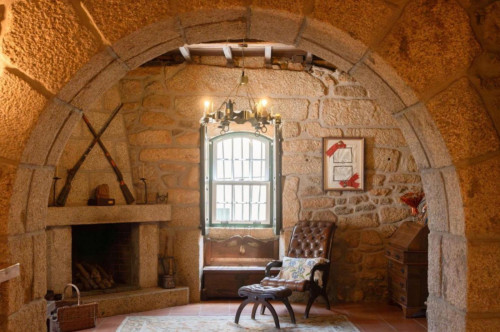
Rua do Bonfim
1 hour 40 mins by public transport to Central Vila Real
€5,000
/monthVila Real, the capital of the Tras-o-Montes province, is a sleepy university town set in a sea of rural tranquility. Located above the confluence of the Rio Cabril and the Rio Corgo, the town has long been a popular place to have a second home. The most famous has to be the Palacio do Mateus, used as a holiday home by the Portuguese royal family during the sixteenth and seventeenth centuries. The Palacio do Mateus was built in 1745 to a design by the fashionable Italian architect, Nicola Nasoni.
Vila Real is also home to The public University of Trás-os-Montes and Alto Douro. While the university was formally established in 1986, its heritage can be traced back to the Vila Real Polytechnic institute which was founded in 1973. This original school was important to the development of the area and existed from 1973 to September 1979, when it became the Trás-os-Montes and Alto Douro Higher Education Institute. Owing to the notable work carried out at the institute in the fields of technological and scientific research and teaching, in under a decade after its establishment, the government upgraded the status of the institute to a qualified university.
The university now consists of four schools: the school of agriculture and veterinary sciences; the school of life and environmental sciences; the school of human and social sciences; and the school of sciences and technology. The final branch of the university is the polytechnic Vila Real Higher School of Nursery. There is a range of modern facilities, laboratories, and libraries on-hand at the institute.
Casita has 3 accommodation options within walking distance to the university.
Both Borboleta no Parque and Cascata do Passadiço Rio Corgo are within a 10-minute car ride away.
To live in Vila Real means arriving, falling in love, and never wanting to leave again. People who go there get experiences that perhaps could also be experienced in other cities, but not in the same way with such emotion and passion. Vila Real is for those who love, enjoy life and appreciate the little things that make their memories. The student life in Vila Real is the best in the country. The city’s university has a unique academic spirit; students share an enthusiasm for the university and defend it fiercely.
Compared to other university cities, Vila Real is quite affordable. On average, accommodation with all expenses included ranges from 100 to 150 Euros. Going out is quite cheap, and so are transportation around the city and supermarket prices. In total, with 250 - 300 Euros, a student can definitely afford to live comfortably in Vila Real.
Mateus Palace is considered one of the finest Baroque civil buildings, constructed in extravagant style for the 3rd Morgado of Mateus in the first half of the 18th century. Nicolau Nasoni, the man who had a lasting impact on Portuguese Baroque architecture, helped design this noble estate in Vila Real. The property is still owned by his descendants, and the only way to see the richly furnished property is on a tour. Some of the best bits inside are the library, which has little iron lanterns, and the dining hall with a carved wooden ceiling. On the grounds, there’s a chapel, a water garden, a garden of box hedges in filigree patterns, and a “Túnel de Cedro” natural tunnel made from interlinking cedar branches.
The botanical garden was planted by the University of Trás-os-Montes and Alto Douro on its campus in 1987. Extending over 80 hectares, the garden has one of the richest and most botanically significant collections of plant life in Portugal. The garden’s main job is to conserve rare native Portuguese plants, which make up a big proportion of the 1,000 growing in the park, all carefully labelled. The herbarium was founded at the same time as the garden and has more than 15,000 specimens in its archives, while there’s also an interpretation centre with background on the garden’s wealth of species.
You won’t miss the chapel of Capela Nova in the centre of the city.m Its facade is very imposing with masses of carved granite, including four tall Tuscan columns that support a pediment topped with a statue of St Peter flanked by two angels. The chapel went up in the 17th century, but its grand stonework on the facade came later and was done by Nicolau Nasoni. Some of the details to see inside are the tile panels relating to the lives of St Paul and St Peter, and of course, the main altar and side chapels, which gleam with gilded wood carving.
Other than these, you will find many other beautiful places and architecture to see. These include Igreja de São Domingos, Santuário de Panóias, and the Museu de Arqueologia e Numismática de Vila Real.
Vila Real is a small city; you can go anywhere you want on foot as everything is close to you. Taxi services are available, however, throughout the city if you’re not a big fan of walking.